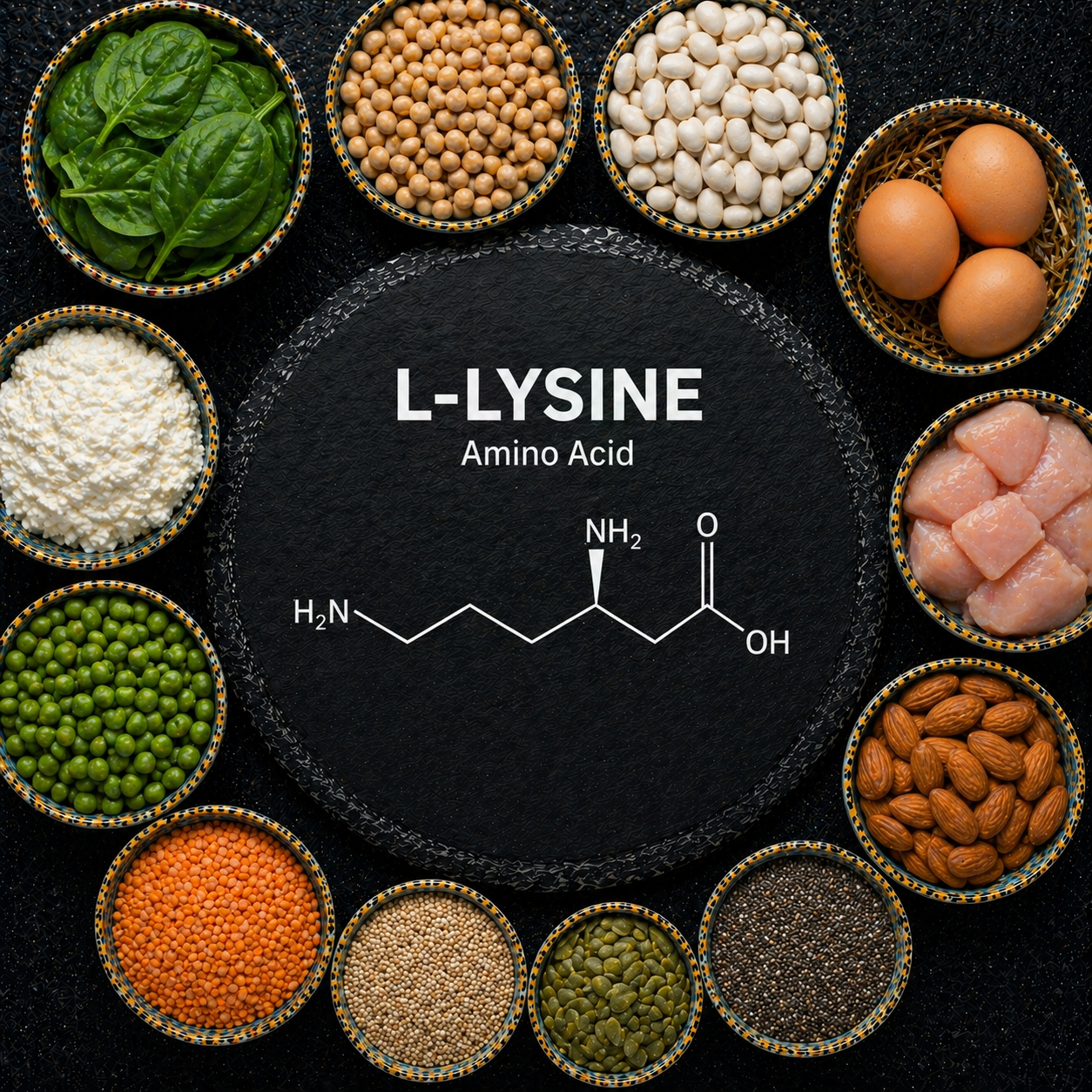
L-Lysine is an essential amino acid that plays a key role in many biological processes, including those that directly affect hair growth and hair strength. Unlike non-essential amino acids, L-Lysine cannot be produced by the body, which means it must be obtained through diet or supplementation. For individuals experiencing hair thinning or increased shedding, L-Lysine offers a targeted approach to supporting healthier hair from within.
One of the most important ways L-Lysine supports hair growth is through its role in protein synthesis. Hair is primarily made from keratin, a structural protein that depends on a steady supply of amino acids to form properly. L-Lysine contributes to this process, helping ensure that new hair strands are built with strength and durability.
Another key benefit of L-Lysine is its ability to improve iron absorption. Iron is one of the most critical minerals for hair growth, as it helps transport oxygen to hair follicles. Without sufficient oxygen, follicles can become weaker and less active, which may lead to increased shedding. L-Lysine enhances the body’s ability to absorb and utilise iron, making it especially beneficial for those with low iron levels.
This connection between L-Lysine and iron makes it particularly relevant for individuals experiencing hair loss linked to nutritional deficiencies. By supporting both protein production and nutrient absorption, L-Lysine addresses multiple factors that influence hair health.
L-Lysine also plays a role in supporting collagen formation, which contributes to the structure of the scalp and hair follicles. Healthy follicles are essential for consistent hair growth, and supporting their structure can help improve overall hair quality.
In addition to these structural benefits, L-Lysine may help reduce excessive hair shedding. When the body has the nutrients it needs to support normal growth cycles, hair is more likely to remain in the active growth phase for longer periods. This can lead to less shedding and more consistent regrowth over time.
Dietary sources of L-Lysine include foods such as meat, fish, eggs, and legumes. However, intake levels can vary depending on diet, and some individuals may not consume enough to support optimal hair health. Supplementation provides a convenient way to ensure consistent intake.
One of the advantages of L-Lysine supplementation is its compatibility with other hair-supporting nutrients. It is often combined with iron, biotin, and other amino acids to provide a more comprehensive approach to hair restoration.
Results from L-Lysine tend to develop gradually. Initial improvements may include reduced shedding and stronger hair texture, followed by more noticeable changes in thickness and overall appearance over time.
For those looking to restore hair naturally, L-Lysine offers a well-rounded solution. By supporting protein production, improving nutrient absorption, and contributing to follicle health, it helps create the conditions needed for stronger, healthier hair.
Our Verdict
L-Lysine is a highly effective amino acid for supporting hair restoration, particularly due to its role in protein synthesis and iron absorption. By strengthening hair structure and improving nutrient delivery to follicles, it can help reduce shedding and promote thicker hair over time. Consistent use of L-Lysine can significantly enhance hair health, making it a valuable part of a natural hair growth routine.
Use With Caution
Reviewed Apr 2026
Related Topics
Medical Disclaimer: This review is for educational and informational purposes only and does not constitute professional medical advice. Results may vary. Always consult your healthcare provider before starting any new supplement, particularly if you are pregnant, nursing, or taking medication.