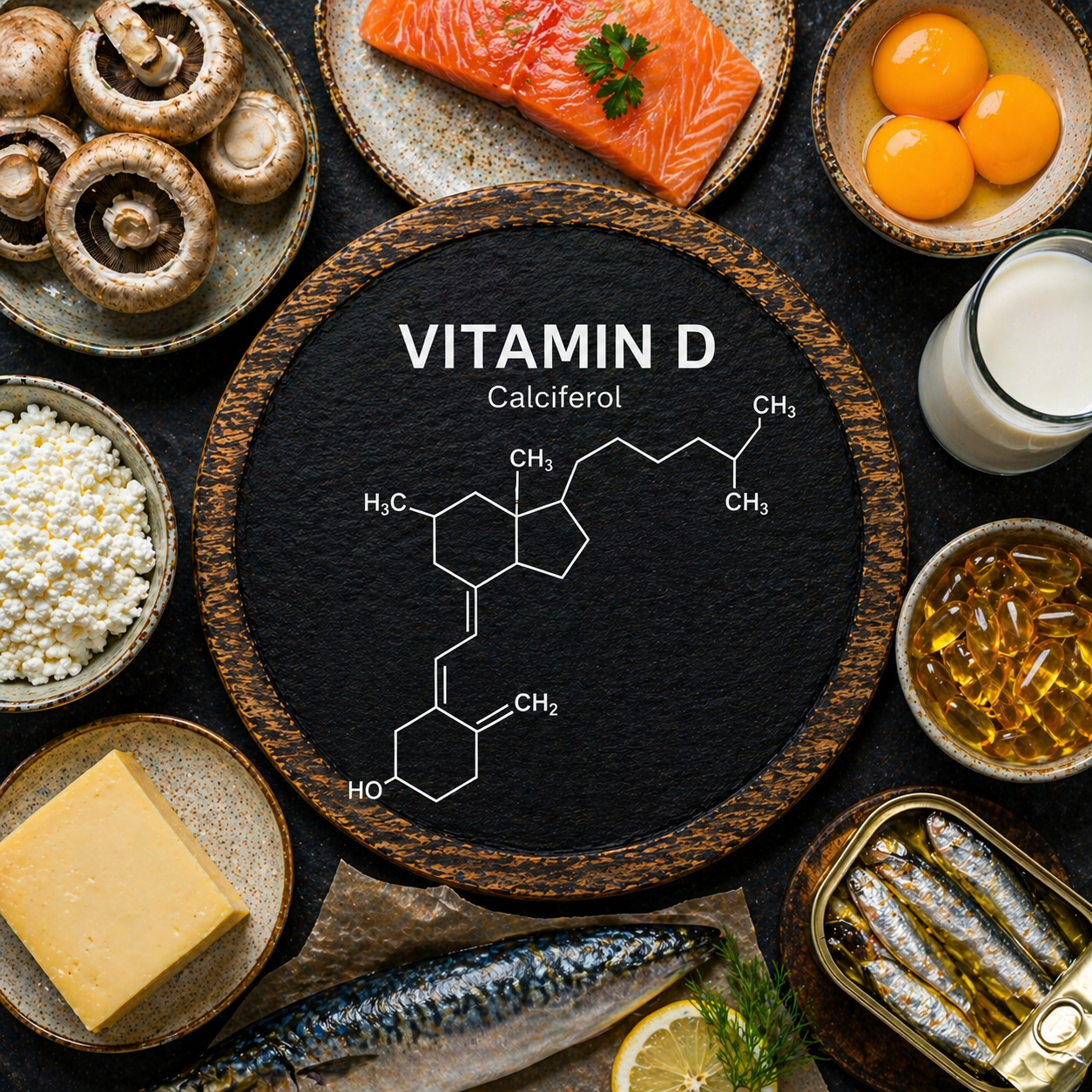
Vitamin D is often associated with bone health and immune support, but it is also gaining attention as an important nutrient for hair growth and hair loss prevention. Many people searching for ways to restore thinning hair naturally are now exploring the role of vitamin D in maintaining healthy hair follicles.
Hair growth begins at the follicle, and vitamin D plays a key role in supporting the function of these follicles. When vitamin D levels are low, hair follicles can become less active, which may lead to thinning hair or slower regrowth. This is one of the reasons why vitamin D deficiency is often linked to hair loss conditions.
Unlike some supplements that focus on strengthening existing strands, vitamin D works deeper at the root level. It helps support the natural hair growth cycle, encouraging follicles to remain active for longer periods. This can result in more consistent growth and improved hair density over time.
One of the most interesting aspects of vitamin D is its connection to the body’s natural rhythms. Since it is produced when the skin is exposed to sunlight, many people experience lower levels during colder months. This can sometimes coincide with increased hair shedding, making supplementation a useful option for maintaining balance year-round.
Vitamin D also supports overall scalp health. A healthy scalp provides the ideal environment for hair to grow, and maintaining proper nutrient levels can help reduce issues that may interfere with this process. While it is not a direct treatment for every type of hair loss, it plays an important supporting role.
People looking to improve hair thickness often combine vitamin D with other nutrients, but it is powerful even on its own when levels are low. Blood tests can confirm deficiency, but many people choose to supplement proactively due to how common low vitamin D levels are.
In terms of results, improvements tend to happen gradually. Over time, hair may appear fuller, and shedding may become less noticeable. As with most hair-related supplements, consistency is essential to see meaningful changes.
Vitamin D supplements are widely available and easy to include in a daily routine. They are often taken in capsule or softgel form and can be combined with healthy lifestyle habits such as regular sunlight exposure and a balanced diet.
For those exploring natural ways to support hair regrowth, vitamin D offers a unique approach by targeting the health of the hair follicle itself. By helping maintain active growth cycles and supporting the scalp environment, it can play a valuable role in achieving thicker, healthier hair over time.
4.5
out of 5
Editor Score
Our Verdict
Vitamin D is a highly effective supplement for supporting hair restoration, particularly for individuals with low levels. By helping maintain active hair follicles and supporting healthy growth cycles, vitamin D can contribute to thicker and more consistent hair growth. Regular supplementation can be especially beneficial for those experiencing thinning linked to deficiency, making it an important part of a natural hair restoration approach.
Use With Caution
Reviewed Jun 2026
What We Like
- Well-researched link to hair follicle health
- Easy to find and affordable
- Absorbs well taken with food
- Available in multiple strengths
Watch Out For
- Fat-soluble – can accumulate if over-supplemented
- Blood test recommended before starting
- Takes weeks to raise levels meaningfully
Product at a Glance
BrandSolgar
FormSoftgel Capsule
Pack Size100 Softgel Capsules
Serving Size1 Capsule
Servings per Pack100
Price£12.99
Dosage & Usage Guidance
Take 1 softgel capsule daily with a meal containing fat to aid absorption.
Ready to Try Vitamin D for Hair Loss?
We've linked to a quality product below. Always consult your healthcare provider before starting any new supplement.
Related Topics
Medical Disclaimer: This review is for educational and informational purposes only and does not constitute professional medical advice. Results may vary. Always consult your healthcare provider before starting any new supplement, particularly if you are pregnant, nursing, or taking medication.