JH
Jason Hartwell
Dermatology Researcher Hair Restoration Specialist 15+ Years' Experience
Updated 21 Jun 2026
Section 01
Why Do Men Lose Their Hair?
Hair loss affects around 85% of men to some degree by age 50. But despite how common it is, the mechanisms behind it are still widely misunderstood. Most men assume it's purely genetic - something they're powerless to influence. The reality is considerably more nuanced, and considerably more encouraging.
Male hair loss (androgenetic alopecia) is driven by a combination of genetic predisposition, hormonal activity, nutritional status, and environmental factors. Genes determine how sensitive your hair follicles are to hormonal signals, but they don't dictate an irreversible outcome. The external factors - the ones you can actually control - play a far larger role than most people realise.
85%
of men experience significant hair loss by age 50
25%
of men begin losing hair before their 21st birthday
$1.7B
spent globally on hair loss treatments annually
The Primary Causes at a Glance
Research consistently points to five intersecting drivers of male hair loss:
- Dihydrotestosterone (DHT): A potent androgen that binds to follicle receptors, causing progressive miniaturisation. This is the dominant driver in androgenetic alopecia.
- Genetic sensitivity: Inherited AR gene variants determine how readily your follicles respond to DHT. Multiple genes across both maternal and paternal lines contribute.
- Nutritional deficiencies: Low levels of iron, zinc, vitamin D, and biotin directly impair follicle function and accelerate shedding - even in men with no genetic predisposition.
- Chronic stress (elevated cortisol): Prolonged psychological stress pushes follicles into a dormant (telogen) phase prematurely, a condition known as telogen effluvium.
- Scalp inflammation & poor circulation: Restricted blood flow and inflammatory conditions like seborrheic dermatitis starve follicles of the oxygen and nutrients they need to function.
"Hair loss is not simply a question of good or bad genetics. The modifiable factors - nutrition, stress, scalp environment - can accelerate or slow the process by years."
Section 02
DHT: The Hormone Behind Most Male Baldness
Dihydrotestosterone (DHT) is a metabolite of testosterone, formed when the enzyme 5-alpha reductase converts free testosterone circulating in the bloodstream. In the context of hair, DHT is the primary villain - but understanding exactly how it works gives you the roadmap to fighting back.
How DHT Damages Hair Follicles
The real reason your hair keeps thinning isn't bad luck or just getting older. It's a specific hormonal process most men are never told about - and once you understand it, you can actually do something about it.
Hair follicles in genetically susceptible scalp regions contain androgen receptors. When DHT binds to these receptors, it triggers a cascade of molecular events that progressively shrink the follicle - a process called miniaturisation. Over successive growth cycles, the follicle produces thinner, shorter, lighter hair until it eventually stops producing visible hair altogether.
Critically, DHT primarily affects the follicles on the top and front of the scalp (the "androgenetic pattern"), while leaving the sides and back relatively resistant. This explains the characteristic horseshoe pattern of advanced male pattern baldness.
Key Facts About DHT & Hair Loss
- 5-alpha reductase exists in two isoforms (Type I & II) - both present in the scalp
- DHT is 5x more potent than testosterone at androgen receptors
- Finasteride works by inhibiting 5-alpha reductase - natural compounds can do the same
- Scalp DHT levels can be 3-6x higher than serum DHT in men with pattern loss
- Reducing local DHT - not total testosterone - is the strategic goal
Natural DHT Blockers Backed by Research
A growing body of evidence supports several dietary and plant-based compounds as meaningful inhibitors of 5-alpha reductase activity, offering a drug-free approach to reducing DHT's impact on follicles:
| Compound |
Source |
Evidence Level |
Mechanism |
| Saw Palmetto |
Berry extract / supplement |
Strong |
Dual 5-AR inhibition |
| Pumpkin Seed Oil |
Food / supplement |
Strong |
5-AR inhibition + phytosterols |
| Lycopene |
Tomatoes, watermelon |
Moderate |
5-AR type II inhibition |
| EGCG (Green Tea) |
Green tea / extract |
Moderate |
5-AR inhibition + anti-inflammatory |
| Reishi Mushroom |
Supplement / powder |
Moderate |
5-AR inhibition |
| Zinc |
Food / supplement |
Strong |
5-AR co-factor regulation |
| Rosemary Oil (topical) |
Essential oil |
Emerging |
5-AR inhibition + circulation |
Section 03
Stages of Male Pattern Baldness (Norwood Scale)
The Norwood-Hamilton Scale is the standard classification system for male pattern hair loss, ranging from Type I (no visible loss) through to Type VII (extensive loss covering the crown and top). Understanding where you sit on this scale is the essential first step in choosing an appropriate strategy.
-
I
Type I - Minimal Recession
Little or no recession at the hairline. Hair appears full and healthy. Genetic and hormonal activity may already be underway at a cellular level. Preventative strategies are most effective at this stage.
-
II
Types II-III - Early Recession
Visible recession at the temples. Type III shows more pronounced hairline changes or early thinning at the crown (IIIa). Natural interventions show the strongest results at this stage - many men achieve stabilisation and partial regrowth.
-
IV
Types IV-V - Moderate Loss
Significant hairline recession combined with a distinct bald spot on the crown. The areas may be separate (IV) or beginning to merge (V). Aggressive nutritional and scalp protocols can slow progression; some regrowth remains achievable.
-
VI
Types VI-VII - Advanced Loss
The hairline and crown regions have merged, leaving only the characteristic side and back fringe (VI) or very little hair coverage at all (VII). Natural strategies focus on slowing further loss rather than reversal. Medical or surgical options become more relevant here.
The Critical Window
- Natural methods are most effective at Norwood Types I through IV
- Once follicles are fully miniaturised (late stage V+), regrowth becomes significantly harder
- The earlier you act, the more you can preserve - and the more you can potentially reverse
- Ongoing hair loss (regardless of stage) will benefit from DHT reduction and scalp optimisation
Every month you wait, it gets harder to fix. The follicles that are still active today may not be recoverable in six months. Most people realise this too late - don't make that mistake.
Section 04
Nutrition & Vitamins for Hair Growth
Hair follicles are among the most metabolically active structures in the human body. They require a constant and abundant supply of nutrients to complete a full growth cycle. Deficiencies - even subclinical ones - can trigger or dramatically accelerate hair loss, often long before any other symptoms appear.
For many men, targeted nutritional correction alone produces a meaningful reduction in shedding within 6-10 weeks. It's one of the fastest and most accessible levers available.
The Six Most Critical Nutrients
| Nutrient |
Role in Hair Health |
Deficiency Signs |
Best Sources |
| Iron (Ferritin) |
Oxygen delivery to follicles; essential for growth phase |
Excessive shedding, fatigue |
Red meat, lentils, spinach |
| Zinc |
Protein synthesis, DHT regulation, tissue repair |
Thin hair, slow growth, dandruff |
Oysters, pumpkin seeds, beef |
| Vitamin D |
Follicle cycling; activates receptors in hair cells |
Diffuse thinning, patchy loss |
Sunlight, oily fish, supplements |
| Biotin (B7) |
Keratin infrastructure; structural protein production |
Brittle hair, slow growth |
Eggs, almonds, sweet potato |
| Vitamin B12 |
Red blood cell formation; follicle oxygen supply |
Premature greying, thinning |
Meat, fish, dairy, supplements |
| Vitamin E |
Antioxidant protection; scalp circulation |
Oxidative stress-driven shedding |
Nuts, seeds, vegetable oils |
Foods That Support Hair Follicle Health
Beyond individual micronutrients, certain whole foods have demonstrated particular benefit for hair health in clinical research. Building your diet around these is a sustainable, drug-free strategy:
- Eggs: Complete protein, biotin, zinc, and selenium - arguably the single most hair-supportive food.
- Fatty fish (salmon, mackerel, sardines): Omega-3 fatty acids reduce scalp inflammation and support follicle health; also rich in vitamin D and protein.
- Pumpkin seeds: One of the richest food sources of zinc, with emerging evidence of direct 5-alpha reductase inhibition.
- Spinach and leafy greens: Iron, folate, vitamin C (which enhances iron absorption), and vitamin A for sebum production.
- Berries (particularly blueberries): High in vitamin C and polyphenol antioxidants that protect follicles from oxidative damage.
- Brazil nuts: A single nut provides over 100% of the daily selenium requirement - a key antioxidant for scalp health.
- Avocados: Vitamin E, biotin, healthy fats, and B vitamins in a single whole food.
Recommended Resource
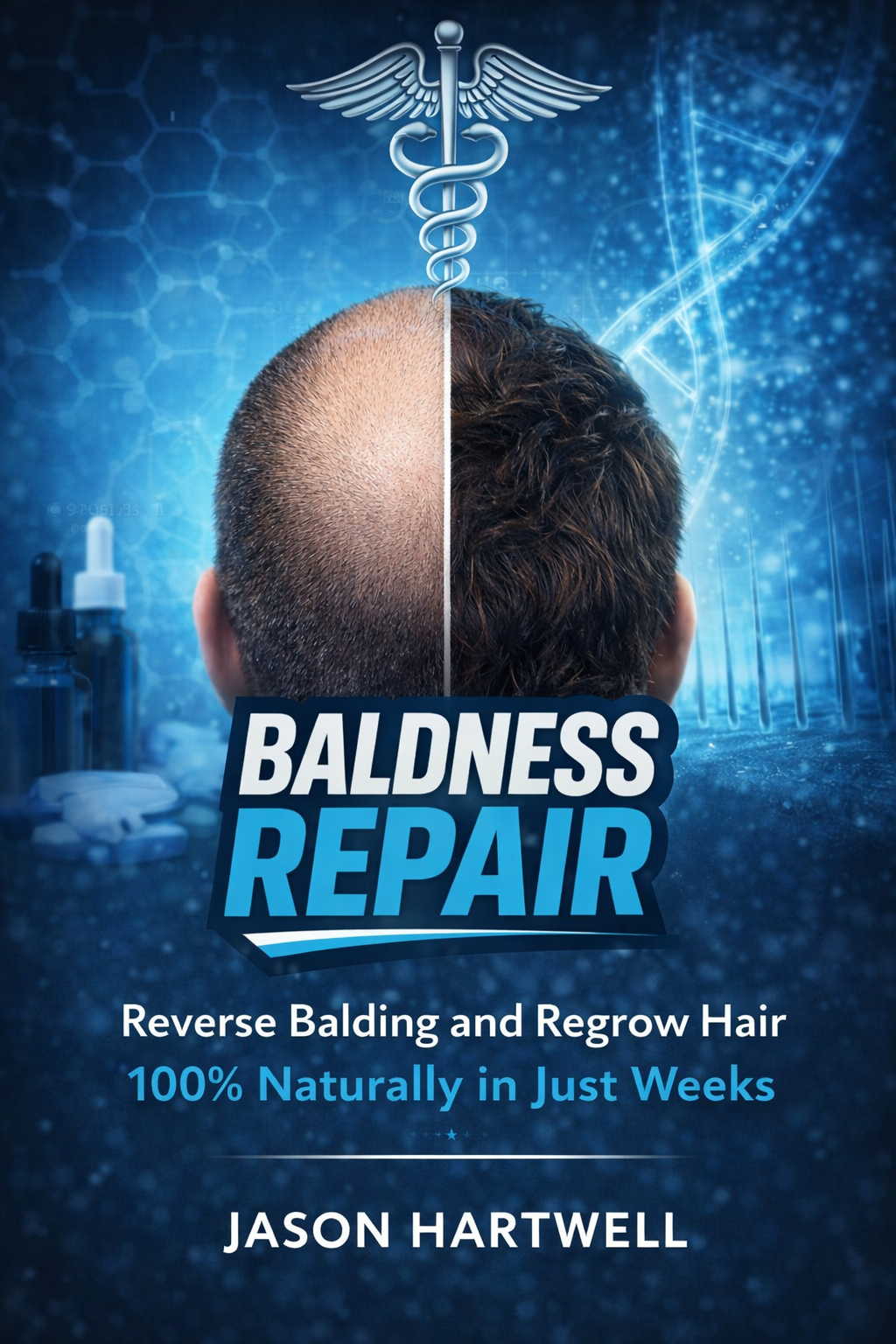
Baldness Repair - Complete Nutrition Plan
The Baldness Repair guide includes a full 13-chapter protocol with specific supplement stacks, DHT-blocking meal plans, and dosage guidance developed from 15+ years of clinical research.
Download the Full Guide
$19.95
Section 05
Scalp Health & Circulation
The scalp is the soil in which your hair grows. A healthy follicular environment - one with good blood flow, a balanced microbiome, and low levels of inflammation - is non-negotiable for sustained hair production. Even the best nutritional intake cannot fully compensate for a compromised scalp environment.
Why Blood Flow Matters
Hair follicles in the active growth (anagen) phase are extraordinarily dependent on microvascular blood supply. Each follicle has its own dedicated capillary network delivering oxygen, glucose, amino acids, and growth factors. As men age - and particularly as DHT-driven miniaturisation progresses - this microcirculation tends to deteriorate in affected areas.
Restoring and enhancing scalp circulation is therefore a direct therapeutic target. The following have the strongest evidence base:
-
1
Scalp Massage (4-5 min daily)
A standardised Japanese study found that 4 minutes of daily scalp massage using a stretching device significantly increased hair thickness after 24 weeks. Regular fingertip massage produces measurable microcirculatory improvements and may mechanically stimulate follicle stem cells.
-
2
Dermarolling / Microneedling
Weekly use of a 0.5mm dermaroller over the scalp creates micro-injuries that trigger a wound-healing response, increasing local growth factor expression (including VEGF) and potentially reactivating miniaturised follicles. Clinical trials show synergistic results when combined with topical treatments.
-
3
Rosemary Oil (Topical)
A head-to-head randomised controlled trial published in SKINmed found rosemary oil matched minoxidil 2% for hair count improvement at 6 months, with significantly less scalp itching. Its mechanism involves inhibition of DHT binding and enhancement of scalp microcirculation.
-
4
Anti-Inflammatory Scalp Cleansing
Chronic low-grade scalp inflammation (often related to seborrheic dermatitis, product build-up, or fungal overgrowth) accelerates follicle miniaturisation. Switching to sulphate-free, fragrance-free cleansers and incorporating anti-inflammatory actives like ketoconazole or tea tree oil significantly reduces this burden.
Section 06
Lifestyle Factors That Drive Hair Loss
Hair follicles are exquisitely sensitive barometers of systemic health. Long before chronic stress or poor sleep manifest as cardiovascular or metabolic problems, the scalp frequently shows early signs - increased shedding, reduced density, or accelerated miniaturisation. This is both a warning signal and an opportunity: address the root lifestyle factors and the hair often responds faster than you'd expect.
Stress & Cortisol
Chronic psychological stress elevates cortisol - the primary stress hormone - which directly suppresses hair follicle activity through multiple pathways. Cortisol prematurely pushes follicles from the growth (anagen) phase into the regression (catagen) and resting (telogen) phases, triggering telogen effluvium: a diffuse shedding that typically peaks 2-3 months after the stressor.
Compounding this, cortisol impairs the gut's ability to absorb key nutrients including zinc and B12, creating a nutritional deficit that further stresses follicles. The stress-hair loss connection is both direct (hormonal) and indirect (nutritional), which is why stress management is a genuine therapeutic lever - not just a feel-good recommendation.
Sleep & Human Growth Hormone
The majority of cellular repair activity - including hair follicle regeneration - occurs during deep (slow-wave) sleep. During this phase, the pituitary gland releases a surge of human growth hormone (HGH), which plays a direct role in promoting the anagen growth phase. Habitually short or poor-quality sleep (<7 hours) chronically suppresses HGH secretion, directly impacting hair growth cycles over time.
Exercise & Scalp Circulation
Regular aerobic exercise significantly increases systemic blood flow - including to the scalp's microvasculature. Exercise also reduces serum cortisol over time and improves insulin sensitivity, which is relevant because hyperinsulinaemia drives up androgen production and can indirectly elevate scalp DHT levels.
Evidence-Based Lifestyle Targets for Hair Health
- Sleep: 7-9 hours per night, consistent schedule, optimised for deep sleep quality
- Aerobic exercise: 150+ minutes per week at moderate intensity (brisk walk, cycling, swimming)
- Stress management: daily mindfulness, breathwork, or a structured stress-reduction practice
- Alcohol: reduction below 14 units/week - alcohol depletes zinc and B vitamins critical for follicle health
- Smoking: cessation - smoking is an established independent risk factor for accelerated hair loss
- Crash diets: avoidance - rapid caloric restriction is a potent trigger for telogen effluvium
Section 07
Natural vs. Medical Treatments: An Honest Comparison
The hair loss treatment market is enormous and noisy. Understanding the actual evidence - including honest limitations - helps you make better decisions. Here is a straightforward comparison of the most commonly used approaches:
This is where most people go wrong: they reach for the most heavily marketed option rather than the most evidence-based one. The table below shows what the research actually says, including the option most people overlook.
| Treatment |
Evidence |
Effectiveness |
Side Effects |
Cost |
| Finasteride (oral) |
Strong RCTs |
High (for prevention) |
Sexual dysfunction (5-8%) |
$20-40/month |
| Minoxidil (topical) |
Strong RCTs |
Moderate (growth stimulation) |
Irritation, shedding phase |
$15-30/month |
| DHT-Blocking Diet + Supplements |
Good evidence |
Moderate (preventative) |
Minimal |
$20-40/month |
| Scalp Massage + Microneedling |
Good evidence |
Moderate |
Minimal |
$5-15/month |
| Rosemary Oil (topical) |
Emerging |
Comparable to minoxidil 2% |
Minimal |
$5-10/month |
| Hair Transplant (FUE) |
Strong |
High (cosmetic, permanent) |
Surgical risks, scarring |
$3,000 - 15,000+ |
Baldness Repair Guide
RECOMMENDED |
Good evidence |
Moderate - High (multi-system approach) |
None |
$19.95
$39.99 one-time |
The most evidence-based approach for most men in the early to moderate stages is a combined natural protocol: DHT-blocking supplementation, nutritional correction, scalp massage, and lifestyle optimisation. This multi-target approach addresses the biological process at several points simultaneously - often producing synergistic results that exceed any single intervention.
"A well-structured natural protocol targeting DHT, nutrition, and scalp health simultaneously often achieves results comparable to single-agent pharmaceutical treatments - without the side effect profile."