Iron is widely recognised as one of the most important minerals for overall health, but its role in hair growth and hair loss prevention is often underestimated. For those experiencing thinning hair or excessive shedding, iron levels can be a key factor worth considering.
Hair follicles are among the most active cells in the body, and they require a constant supply of oxygen and nutrients to function properly. Iron plays a crucial role in this process by supporting the production of haemoglobin, a protein in red blood cells that carries oxygen throughout the body.
When iron levels are sufficient, oxygen is delivered efficiently to the scalp and hair follicles. This helps maintain active growth cycles and supports the production of strong, healthy hair. However, when iron levels are low, this supply can be reduced, potentially leading to weaker follicles and increased hair shedding.
Iron deficiency is one of the most common nutritional causes of hair loss, particularly in women. Symptoms can include thinning hair, fatigue, and reduced energy levels. Addressing this deficiency through supplementation can often lead to noticeable improvements in hair health.
One of the key benefits of iron supplementation is its ability to reduce excessive hair shedding. When follicles receive the oxygen they need, they are more likely to remain in the active growth phase for longer periods. This can result in less hair falling out and more consistent regrowth.
Iron also supports overall hair strength. Hair that grows from well-nourished follicles tends to be thicker and more resilient, reducing the likelihood of breakage. Over time, this contributes to hair that appears fuller and healthier.
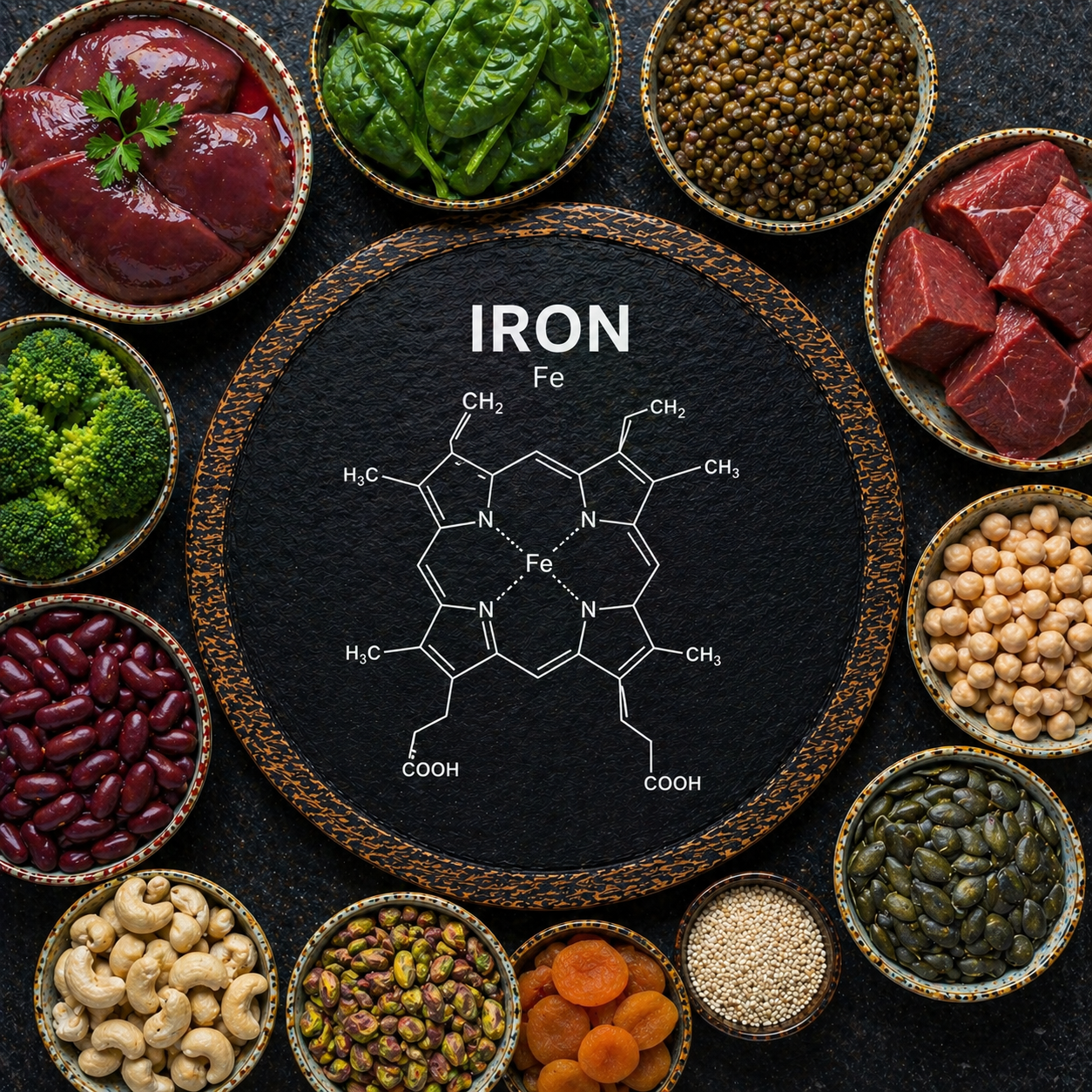
Dietary sources of iron include red meat, leafy greens, legumes, and fortified foods. However, absorption can vary depending on factors such as diet and overall health. This is why supplements are often recommended for those with low levels or increased needs.
For best results, iron is often taken alongside vitamin C, which helps improve absorption. This combination can enhance the effectiveness of supplementation and support better outcomes for hair growth.
It is important to approach iron supplementation carefully, as excessive intake can have negative effects. Testing iron levels before starting supplementation is often recommended to ensure appropriate dosing.
Results from iron supplementation can take time, but many people notice improvements in shedding and hair thickness over several months. As the body’s oxygen delivery system improves, hair follicles are better able to function, supporting healthier growth.
For individuals experiencing hair loss linked to nutrient deficiencies, iron offers one of the most direct and effective solutions. By addressing a core requirement for hair follicle health, it helps restore balance and improve hair growth naturally.
Our Verdict
Iron is one of the most important minerals for hair restoration, particularly for individuals experiencing hair loss linked to deficiency. By improving oxygen delivery to hair follicles and supporting healthy growth cycles, it can significantly reduce shedding and promote thicker hair. When taken appropriately, iron supplementation can be a highly effective way to restore hair health and support long-term growth.
Use With Caution
Reviewed Apr 2026
Related Topics
Medical Disclaimer: This review is for educational and informational purposes only and does not constitute professional medical advice. Results may vary. Always consult your healthcare provider before starting any new supplement, particularly if you are pregnant, nursing, or taking medication.