Magnesium is an essential mineral involved in hundreds of biochemical processes within the body. While it is commonly associated with muscle and nerve function, it also plays an important role in hair health and hair growth, particularly when it comes to managing underlying factors that contribute to hair loss.
One of the most significant ways magnesium supports hair is through its effect on stress regulation. Stress is a well-known contributor to hair shedding, often triggering a condition where hair enters the resting phase prematurely. This can lead to noticeable thinning over time. Magnesium helps support the body’s ability to manage stress by regulating the nervous system and promoting relaxation.
By helping reduce the impact of stress on the body, magnesium indirectly supports healthier hair growth cycles. When stress levels are better controlled, hair is more likely to remain in the active growth phase, leading to less shedding and more consistent regrowth.
Magnesium also plays a role in protein synthesis, which is essential for the production of keratin, the main structural component of hair. Supporting this process helps contribute to stronger hair strands that are less prone to breakage.
Another benefit of magnesium is its involvement in maintaining circulation and nutrient delivery. Hair follicles require a steady supply of nutrients to function properly, and magnesium supports the systems responsible for transporting these nutrients throughout the body.
Magnesium deficiency can sometimes contribute to issues such as fatigue, muscle tension, and increased stress levels, all of which can indirectly affect hair health. By restoring adequate levels, the body is better equipped to support normal growth processes.
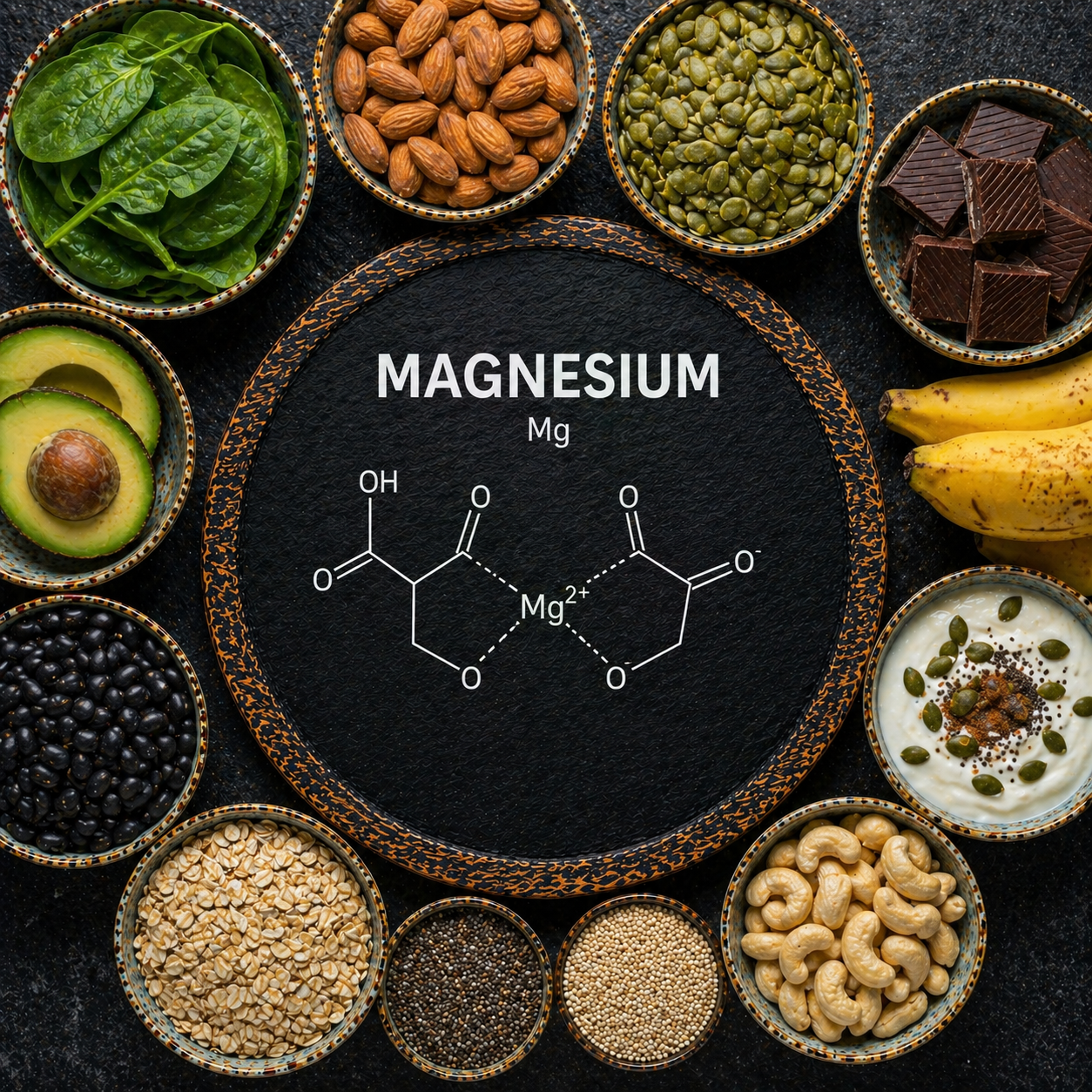
Dietary sources of magnesium include leafy greens, nuts, seeds, and whole grains. However, modern diets and lifestyle factors can make it difficult to maintain optimal levels. Supplementation offers a convenient way to ensure consistent intake.
People who use magnesium as part of their routine often notice improvements in overall wellbeing, which can translate into better hair health over time. Reduced stress, improved sleep, and better nutrient function all contribute to an environment that supports hair growth.
While magnesium may not directly target hair follicles in the same way as some other nutrients, its ability to address underlying causes of hair loss makes it highly valuable. It supports the body as a whole, creating conditions that allow hair to grow more effectively.
Results tend to develop gradually, with improvements in overall health often appearing before noticeable changes in hair. Over time, this can lead to stronger, healthier hair that is less prone to shedding.
For those looking to restore hair naturally, magnesium provides a supportive and holistic approach. By addressing stress, supporting protein production, and improving nutrient delivery, it plays a meaningful role in maintaining healthy hair growth.
Our Verdict
Magnesium is an important support mineral for hair restoration, particularly for individuals experiencing stress-related hair loss. By helping regulate stress levels and supporting key biological processes, it contributes to healthier hair growth over time. Consistent magnesium supplementation can improve overall hair strength and reduce shedding, making it a valuable part of a natural hair health routine.
Use With Caution
Reviewed Jun 2026
Related Topics
Medical Disclaimer: This review is for educational and informational purposes only and does not constitute professional medical advice. Results may vary. Always consult your healthcare provider before starting any new supplement, particularly if you are pregnant, nursing, or taking medication.